

Executive Committee
The Executive Committee (EC) is the CITF’s final decision-making body. It comprises the two Co-Chairs, the Executive Director, a PHAC representative, the Chief Scientist of Canada, and four additional members of the original CITF Leadership Group (LG), whose mandate ran from April 2020 to June 2022. An important condition for membership is that the individual has no intent to hold or seek funds from the CITF, either as a Principal Investigator or as a Co-Investigator on a project being funded by the CITF.
The Executive Committee:
- Oversees and advises on governance of the CITF:
- Sets out principles and procedures to govern potential Conflicts of Interest (COI) of EC and Working Party members and applies them to address COI;
- Takes actions to ensure fair and transparent processes for the development, assessment, and implementation of scientific proposals, e.g.:
- Develops and applies principles governing sourcing of proposals (sole source, Requests for Expression of Interest (RFEOI), CIHR competitions, other);
- Advises on principles guiding the adjudication of proposals through a rigorous and non-conflicted peer review process;
- Critically reviews budgets attached to proposed research investments to ensure value-for-money;
- Assesses whether proposals for funding meet criteria related to scientific merit (including: are relevant to guide Canadian public health decision-making and are positioned to make a distinct contribution to science);
- Sets the terms by which supported projects will be phased with a view to ensuring efficient use of resources (e.g., proof of study feasibility, examination of interim results, etc.).
- Recommends all CITF investments; and,
- Ensures ongoing review of adjudication principles and procedures and adjusts as needed.
Co-Chairs and Executive Director

David Naylor
Co-chair
Professor of Medicine and President Emeritus, University of Toronto

Catherine Hankins
Co-chair
Professor of Public and Population Health, Faculty of Medicine and Health Sciences, McGill University
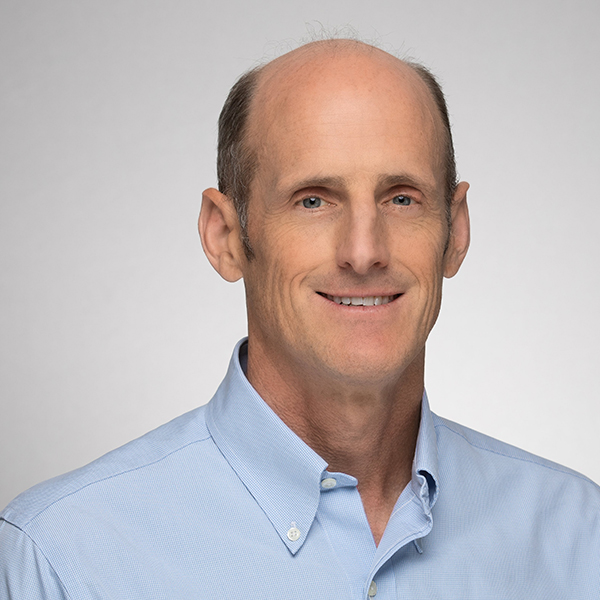
Timothy Evans
Executive Director
Professor, Director and Associate Dean of the School of Population and Global Health, Faculty of Medicine, McGill University
Members

Mona Nemer
Chief Science Advisor of Canada
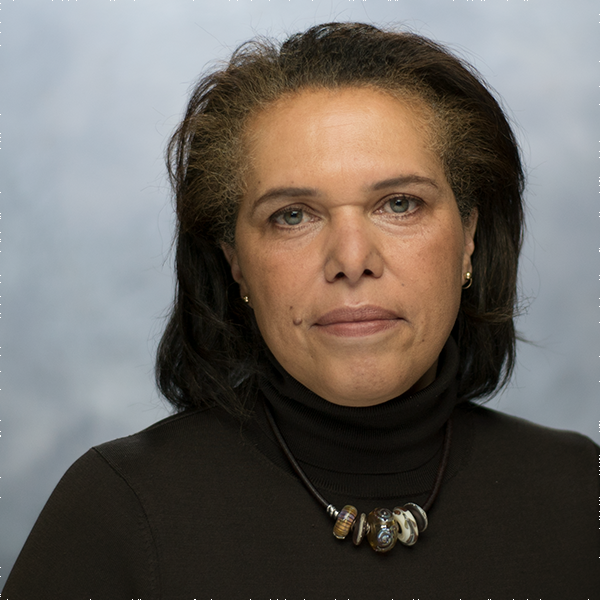
Gina Ogilvie
Professor, School of Population and Public Health, University of British Columbia
Senior Public Health Scientist, BC Centre for Disease Control
Associate Director, Women’s Health Research Institute
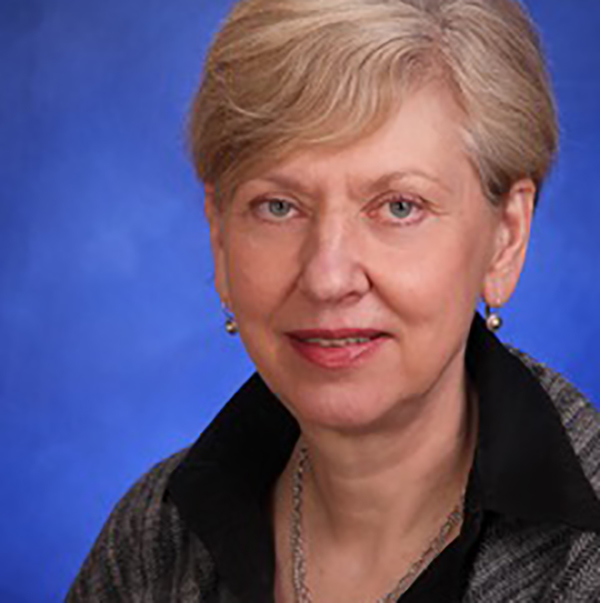
Jutta Preiksaitis
Professor Emerita of Medicine, Division of Infectious Diseases, University of Alberta

Gail Tomblin Murphy
Nova Scotia
Vice President of Research, Innovation & Discovery
Chief Nurse Executive of the Nova Scotia Health Authority
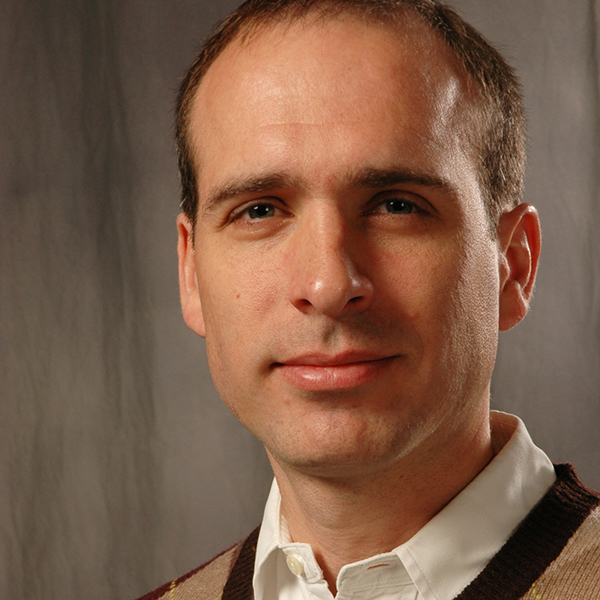
Paul Van Caeseele
Manitoba
Medical Director, Cadham Provincial Laboratory, Manitoba Health, Seniors and Active Living
Professor, Medical Microbiology & Infectious Diseases, and Pediatrics & Child Health, University of Manitoba

Sarah Viehbeck
Chief Science Officer, Public Health Agency of Canada

Executive Committee members
The Executive Committee reports to the Leadership Group and is the final funding decision-making body. It comprises the two Co-Chairs, the Executive Director, and six additional rotating members from the Leadership Group. An important condition for membership is that the individual has no intent to hold or seek funds from the CITF, either as a Principal Investigator or a Co-Investigator on a project being funded by the CITF.
Tim Evans
Cate Hankins
Heather Hannah
David Naylor
Mona Nemer
Howard Njoo
Gina Ogilvie
Jutta Preiksaitis
Gail Tomblin-Murphy
Paul Van Caeseele
David Naylor
Catherine Hankins
Tim Evans
Mona Nemer
Vivek Goel
Charu Kaushic
Gina Ogilvie
Jutta Preiksaitis
Gail Tomblin Murphy

Working Parties
The CITF’s Working Parties (WP) comprise some of Canada’s most respected experts from diverse fields.
Key responsibilities include:
- Curating a list of priority issues and questions related to their WP’s area of focus and producing a gap analysis in order to identify areas of new research required;
- Proposing appropriate modalities (i.e., open versus targeted calls for proposals) for the development of research proposals for the agreed priorities;
- Identifying standards related to study design, measures, tests, etc.;
- Recommending research projects for support to the CITF EC;
- Reviewing interim findings of funded studies and providing feedback to ensure work is keeping pace with the CITF’s strategic goals;
- Reporting on WP activities and funded study progress.
Field Studies Working Party
The Field Studies Working Party (FSWP) focuses on research related to COVID-19 public health, surveillance, epidemiology, and modelling in Canada. Members are chosen from across Canada based on their expertise in the aforementioned areas or other relevant disciplines.
Working Party Leads

James D. Kellner
Pediatric Infectious Disease Consultant
Professor, Departments of Pediatrics, Community Health Sciences & Microbiology, Immunology and Infectious Diseases, Cumming School of Medicine, University of Calgary and Alberta Health Services
Gina Ogilvie
Professor, School of Population and Public Health, University of British Columbia
Senior Public Health Scientist, BC Centre for Disease Control
Associate Director, Women’s Health Research Institute
Vaccine Surveillance Working Party
The Vaccine Surveillance Working (VSWP) focuses on research related to the safety, efficacy, and immunogenicity of COVID-19 vaccines in Canada. Members are chosen from across Canada based on their expertise in the areas of infectious diseases, vaccinology, immunology, epidemiology, public health, and other relevant disciplines.
Working Party Leads

Shelly Bolotin
Ontario
Scientist, Health Protection, Public Health Ontario
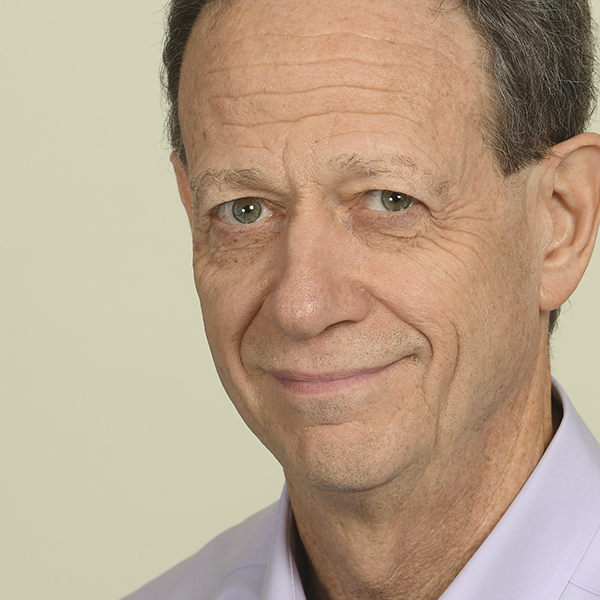
Scott Halperin
Professor, Division of Infectious Diseases, IWK Health Centre, Dalhousie University
Principal Investigator, Canadian Immunization Research Network (CIRN)
Immune Science and Testing Working Party
The Immune Science and Testing Working Party (ISTWP) focuses on research related to COVID-19 immune science and antibody testing in Canada. Members are chosen from across Canada based on their expertise in the areas of immunology, infectious diseases, laboratory medicine (testing), and other relevant disciplines.
Working Party Leads

Charu Kaushic
Scientific Director, CIHR-Institute of Infection and Immunity
Professor, Department of Pathology and Molecular Medicine, McMaster University
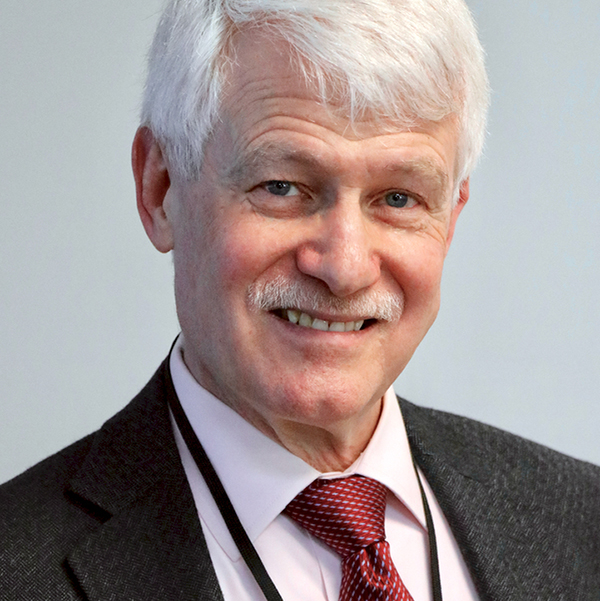
Mel Krajden
Professor, Pathology and Laboratory Medicine, University of British Columbia
Medical Director of the British Columbia Centre for Disease Control Public Health Laboratory
CITF Leadership Group
The CITF Leadership Group included experts from across Canada in matters related to serologic surveillance, immunology, virology, infectious diseases, public health, and clinical medicine. It also included ex-officio members representing agencies of the Government of Canada, including the Public Health Agency of Canada (PHAC), the Canadian Institutes of Health Research (CIHR), and the office of the Chief Scientific Advisor to the Prime Minister, as well as representatives of Provincial-Territorial Ministries of Health, and McGill University (host of the Secretariat).
The CITF Leadership Group played an active role in the leadership of the CITF from the Task Force’s inception in April 2020 and wound down activities in June 2022. The CITF wishes to thank all Leadership Group members for their tireless volunteerism, spending countless hours steering the CITF to help Canada’s response to the COVID-19 pandemic.

Indigenous Advisory Circle
The work of the Indigenous Advisory Circle (IAC) was initiated in 2020 and formally came to a conclusion in 2021. The CITF expresses its deepest thanks to all members for their efforts and contributions. As results from CITF-supported studies emerge bearing on Indigenous communities, the CITF will continue to make efforts to engage Indigenous policy, community, and scientific leaders in discussion of their implications.
Sarah Viehbeck
Sarah Viehbeck, PhD, was appointed as the Chief Science Officer for the Public Health Agency of Canada (PHAC) in 2022. Reporting to the President and working horizontally across the Agency, Dr. Viehbeck is responsible for providing strategic leadership to oversee and support science excellence, science-policy integration and science promotion, as well as re-energizing the scientific vision and capacity toward “Strengthening the Voice of Science” across the PHAC.
Prior to this role, Dr. Viehbeck was the Associate Vice-President Research - Evidence Integration at CIHR. In this role, she was responsible for all science-related strategy and policy development. There, she led the design of a comprehensive suite of programs and initiatives to support CIHR’s mandate, with a priority focus on equity, diversity and inclusion as well as growing and maintaining a strong and sustainable Canadian health research workforce. She also played a key leadership role in the Government of Canada’s COVID-19 response.
Dr. Viehbeck is a former adjunct faculty member at University of Waterloo’s School of Public Health and Health Systems and the University of Ottawa’s Interdisciplinary School of Health Sciences and former Board member of the National Collaborating Centre for Determinants of Health. She has been recognized for her contributions by the Senior Women Academic Administrators of Canada, the Ontario Tobacco Research Unit, the Population Health Improvement Research Network, the Canadian Public Health Association, and through a CIHR President’s Award of Excellence.
Proton Rahman
Proton Rahman, MD, FRCPC, is a Clinician Scientist in St. John’s, Newfoundland. He is a practicing Rheumatologist and a University Research Professor at Memorial University. He was the Associate Dean of Clinical Research at Memorial’s Medical School from 2011 to 2019, and Director of Translational Genomics at the Craig Dobbin Genetics Institute from 2015 to 2019.
Proton’s research expertise is in genetic epidemiology, and he is internationally recognized for his work on better elucidating the genetic basis of complex rheumatic diseases, particularly psoriatic arthritis.
Proton completed his medical school and internal medicine training at Memorial University and rheumatology fellowship at the University of Toronto. His graduate training in genetic epidemiology was also done at University of Toronto.
Since March 2020, he has led the provincial COVID-19 Modeling Team.
David Naylor
Dr. Naylor’s public service also includes chairing three national panels: Canada’s review of public health after the 2003 SARS outbreak, the federal advisory panel on healthcare innovation (2014-15), and the federal review of support for extramural science and research (2016-17). He is an Officer of the Order of Canada, Fellow of the Royal Society of Canada and the Canadian Academy of Health Sciences, and an international member of the US National Academy of Medicine.
Catherine Hankins
Before joining the UN in 2002, she had an active research career in Canada and chaired peer review and policy committees in the HIV response. Chief Scientific Adviser to UNAIDS in Geneva for a decade, she led the scientific knowledge translation team focused on ensuring ethical and participatory HIV prevention trial conduct, convening mathematical modelling teams, and supporting country implementation of proven biomedical HIV prevention modalities. In 2016, she led the development of Good Participatory Practice Guidelines for trials of Emerging Pathogens for WHO. She was Scientific Chair of the annual African INTEREST conferences on HIV research in resource-limited settings from 2014 to 2020. She is Co-Chair of the Eastern Europe and Central Asia INTERACT Workshops. Dr. Hankins chairs the European and Developing Countries Clinical Trials Partnership Scientific Advisory Committee and the National Institutes of Health HIV Prevention Trials Network Scientific Advisory Group. She is the Amsterdam Institute for Global Health and Development (AIGHD) lead for the CAPRISA trials of monoclonal antibodies (CAPRISA 012) and antiretroviral implants (CAPRISA 018) for HIV pre-exposure prophylaxis in young women.
Honorary Professor at London School of Hygiene and Tropical Medicine, England, and Deputy Director, Science at AIGHD, Dr. Hankins is keenly interested in scientific capacity development and advancing women in global health and science. She was named to the Order of Canada in 2013.
Timothy Evans
Earlier in his career, he was an attending physician of internal medicine at Brigham and Women’s Hospital in Boston and was Assistant Professor in International Health Economics at the Harvard School of Public Health. Dr. Evans has been at the forefront of advancing global health equity and strengthening health systems delivery for more than 20 years. At WHO, he led the Commission on Social Determinants of Health and oversaw the production of the annual World Health Report. He has been a co-founder of many partnerships including the Global Alliance on Vaccines and Immunization (GAVI) as well as efforts to increase access to HIV treatment for mothers and innovative approaches to training community-based midwives in Bangladesh. Dr. Evans received his Medical Degree from McMaster University in Canada and was a Research and Internal Medicine Resident at Brigham and Women’s Hospital. He earned a DPhil in Agricultural Economics from University of Oxford, where he was a Rhodes Scholar.
Theresa Tam
Theresa Tam, MD, was appointed Chief Public Health Officer of Canada on June 26, 2017. She is a physician with experience in immunization, infectious diseases, emergency preparedness and global health security initiatives.
Dr. Tam received her medical degree from the University of Nottingham, UK. She completed her residency in Pediatrics at the University of Alberta and a Scientific Research Fellowship in Pediatric Infectious Diseases at the University of British Columbia. She is a Fellow of the Royal College of Physicians and Surgeons of Canada and has authored over 55 public health publications in peer-reviewed journals. She is also a graduate of the Canadian Field Epidemiology Program.
Dr. Tam has held several senior positions at the Public Health Agency of Canada, including Assistant Chief Public Health Officer and Assistant Deputy Minister for Infectious Disease Prevention and Control. During her 20 years in public health, she has provided technical expertise and leadership on new initiatives to improve communicable disease surveillance, strengthen immunization programs, and enhance health emergency response management and laboratory biosafety and biosecurity. She has played a leadership role in Canada’s response to public health emergencies, including Severe Acute Respiratory Syndrome (SARS), the H1N1 influenza pandemic and Ebola virus disease.
Dr. Tam has served as an international expert on several World Health Organization committees and has participated in multiple international missions related to SARS, pandemic influenza and polio.
Mona Nemer
Dr. Nemer holds a PhD in Chemistry from McGill University and did post-doctoral training in molecular biology at the IRCM and at Columbia University. She is a Fellow of the Royal Society of Canada, a Fellow of the American Association for the Advancement of Science, a Foreign Member of the American Academy of Arts and Sciences and a Member of the Order of Canada. She is also a Knight of the Ordre national du Québec and a Knight of the French Republic’s Ordre national du Mérite.
Howard Njoo
Dr. Njoo has worked for the federal government as a public health physician and medical epidemiologist, while also continuing his practice as a front-line clinician in infectious diseases for over 30 years. Prior to joining the Canadian government, Dr. Njoo was the Associate Medical Officer of Health for the City of Toronto Department of Public Health. He also worked at the Ministry of Health for the province of Ontario. Since joining the federal government in 1996, Dr. Njoo has held a variety of positions in the areas of both infectious and chronic diseases as well as emergency preparedness and response.
Dr. Njoo was involved at the senior management level for the Government of Canada’s response to the SARS (2003) and H1N1 (2009) outbreaks and has extensive international experience, including deployments to Haiti in 2010 post earthquake, and Guinea in 2015 for the Ebola outbreak. He has also been on international missions such as the Joint External Monitoring Mission for the National TB Program in Nepal.
Dr. Njoo is the current Designated International Health Regulations State Party Expert for Canada to the World Health Organization and was the technical lead on the Canadian delegation for the revision of the International Health Regulations (IHR) in 2004-2005. Dr. Njoo has also participated as a team member and has led multiple IHR Joint External Evaluations, including those for the Federated States of Micronesia, Grenada, and Germany.
Dr. Njoo earned his medical degree and a Master’s in Health Science, specializing in community health and epidemiology, from the University of Toronto. He subsequently completed a fellowship and his certification with the Royal College of Physicians and Surgeons of Canada in community medicine.
In addition to his other responsibilities, Dr. Njoo is also a consultant physician at the Ottawa Hospital Tuberculosis Clinic and has an adjunct appointment at the University of Ottawa in the School of Epidemiology and Public Health.
Stephen Lucas
As Senior Associate Deputy Minister (Climate Change) from June 2016 to January 2017, Dr. Lucas led ECCC activities in support of the development and adoption of the Pan-Canadian Framework on Clean Growth and Climate Change.
Before joining ECCC, Dr. Lucas was Deputy Secretary to the Cabinet for Plans and Consultations and Intergovernmental Affairs at the Privy Council Office. From 2013 to 2014, he was Assistant Secretary, Economic and Regional Development Policy, at the Privy Council Office.
As Assistant Deputy Minister, Science and Policy Integration at Natural Resources Canada (NRCan) from 2009 to 2013, he was responsible for strategic policy development related to energy, mineral and forest resources, climate change and clean energy and international and intergovernmental relations. Prior to that, from 2007 to 2009, he was Assistant Deputy Minister, Minerals and Metals Sector, at NRCan, where he provided leadership on innovation, green mining and corporate social responsibility.
Dr. Lucas was a Director General in the Health Products and Food Branch (HPFB) at Health Canada from 2003 to 2007, Senior Director at NRCan for Science, Innovation, Regional and Aboriginal Affairs from 2000 to 2003, and Director of Policy Planning and Coordination in the Earth Sciences Sector at NRCan from 1998 to 2000.
Dr. Lucas started his career as a research scientist at the Geological Survey of Canada in 1988. He has a Bachelor of Science with Honours in Geological Engineering from Queen’s University and a PhD in Structural Geology and Tectonics from Brown University.
Carrie Bourassa
Dr. Bourassa spent over 15 years as a professor of Indigenous health studies in the Department of Indigenous Health, Education and Social Work at the First Nations University of Canada (FNUniv) in Regina.
She is a member of the College of New Scholars, Artists and Scientists of the Royal Society of Canada, public member of the Royal College Council of the Royal College of Physicians and Surgeons of Canada, Board Member of the Health Quality Council of Saskatchewan and was appointed as a member of the International Research Advisory Board for the Health Research Council of New Zealand in 2019. She also co-moderates CanCOVID #theme-indigenousresearch and is a member of the Saskatchewan COVID19 Evidence Support Think Tank supporting Indigenous health rapid response needs.
Dr. Bourassa is Métis and belongs to the Riel Métis Council of Regina Inc. (RMCR, Local #34).
Vivek Goel
Vivek Goel, CM, obtained his medical degree from McGill University and completed post-graduate medical training in Community Medicine at the University of Toronto (UofT). Dr. Goel obtained an MSc in Community Health from UofT and an MS in Biostatistics from Harvard University School of Public Health. His research has focused on health services evaluation and the promotion of the use of research evidence in health decision-making.
He was a Founding Scientist at IC/ES and Founding President and CEO of Public Health Ontario from 2008 until 2014. He held a number of senior administrative roles at UofT before becoming President and Vice-Chancellor of the University of Waterloo on July 1, 2021.
In addition to being on the CITF Leadership Group, he is Chair of the Expert Advisory Group on the development of a Pan-Canadian Health Data Strategy, and Chair of the Board of the Canadian Institute for Health Information.
Philippe Gros
Dr. Gros has been an International Scholar of the Howard Hughes Medical Institute, a Distinguished Scientist of the Canadian Institutes of Health Research and is a Distinguished James McGill Professor of Biochemistry and Genetics. He has received the Wilder Penfield Prize for Health Sciences (Prix du Quebec), the Canada Council Killam Prize for Health Research, and is an Officer of the Order of Canada. Dr. Gros acts as an advisor for several organizations, including the Burroughs Welcome Fund and the Canadian Institutes of Health Research. Dr. Gros is experienced in the biotechnology sector, including co-founder of PhageTech, Emerillon Therapeutics (Xenon), and Corbin Thera.
Scott Halperin
Dr. Halperin has also served on provincial, national, and international committees of the Government of Nova Scotia, Public Health Agency of Canada, US Centers for Disease Control and Prevention, and the World Health Organization. These committees provide fora for the dissemination of research findings to policy- and decision makers, assess existing and proposed vaccine programs, and make recommendations on the prioritization of these programs. Dr. Halperin’s research focuses on the diagnosis, treatment, and prevention of pertussis and other vaccine-preventable diseases.
Scott Halperin is a Co-chair of the Vaccine Surveillance Reference Group (VSRG).
Charu Kaushic
Dr. Kaushic has a PhD in Immunology and did her post-doctoral training in mucosal immunology. Since her faculty appointment at McMaster in 2002, she has done extensive teaching and training in immunology. She has built an interdisciplinary research program in women’s reproductive health, specifically basic, clinical and translational research examining susceptibility and immune responses to sexually transmitted viruses, HIV-1 and HSV-2.
Prior to joining CIHR, Dr. Kaushic’s research program was funded by CIHR, Canada Foundation for Innovation, Canadian Foundation for AIDS Research and the Ontario HIV Treatment Network (OHTN). She has received numerous national and international awards including a Rockefeller post-doctoral fellowship, CIHR New Investigator Award, OHTN Research Scholar award, OHTN Research Chair award, and the 2017 American Journal of Reproductive Immunology Research Excellence Award.
James D. Kellner
He has served on the Alberta Advisory Committee on Immunization since 2002 and was Chair for a decade. He serves on the pneumococcal working group of the National Advisory Committee for Immunizations (NACI). He helped lead the local response in Calgary to the H1N1 influenza pandemic in 2009-2010. In the early 2000s, he contributed to the development of national and provincial pandemic influenza plans.
Dr. Kellner is a member of the University of Calgary COVID-19 Analytic and Strategy Group and the Alberta Serology Advisory Group. He is leading the multi-faceted Alberta Childhood COVID-19 Cohort (AB3C) Study, is a Co-Principal Investigator on the Canadian Immunization Research Network COVID-19 Vaccine Readiness Project, and is Co-PI for Alberta on the Canadian National Vaccine Safety Network (CANVAS) COVID-19 vaccine project.
Susan Kirkland
Dr. Kirkland plays a leadership role on a number of landmark studies of international repute, including the Canadian Longitudinal Study on Aging, a 20-year study of 50,000 older adults in Canada funded by the Canadian Institutes of Health Research (CIHR) and the Canada Foundation for Innovation (CFI). She also currently leads studies in the areas of healthy aging, frailty, HIV and aging, cognitive function and aging, access to health services and transitions in care, health inequalities in aging, technologies to support aging in place, and person-centred approaches to engaging older adults in research. She has published over 170 peer-reviewed papers, given over 150 invited presentations, and 250 national and international conference presentations. She has held over 100 research grants totaling $95M.
Dr. Kirkland has participated in national advisory boards including CIHR’s Institute Advisory Boards for the Institute of Aging and the Institute of Population and Public Health; the Board of Governors of the Northwood Group of Companies, a non-profit continuing care organization serving residents of Nova Scotia; and the Board of Directors for AGE-WELL, a national Network Centre of Excellence.
Gary Kobinger
In 2016, Dr. Kobinger became the director of the Centre for Research in Infectious Diseases at Laval University in Quebec City, where he continues to run a research lab and is involved in several clinical trials for vaccines against Zika, MERS and influenza. He also manages projects for the development of a VSV-based HIV vaccine, a DNA-based CCHF vaccine and a DNA-based COVID-19 vaccine.
Dr. Kobinger has over 300 scientific publications and has been interviewed by media outlets such as BBC, CBS 60 Minutes, NBC, NPR, Washington Post, CBC, and many others, and continues to be called upon to provide his expertise to National Institutes of Health, World Health Organization and other regulatory agencies worldwide.
Mel Krajden
His laboratory research involves the application of molecular techniques to diagnose viruses, assess correlates between infection and clinical disease, and track microbial infections for epidemiological purposes. His clinical research involves the integration of hepatitis prevention and care services using linked laboratory and administrative data to help understand how to measure population level health outcomes for policy making.
Dr. Krajden spearheads the BC-Hepatitis C Tester’s Cohort (BC-HTC). The BC-HTC contains de-identified health information on ~3.5 million British Columbians tested for HCV, HIV, HBV & TB. It includes almost all: lab tests/results, medical visits, hospitalizations, prescriptions, cancer outcomes, and mortality outcomes. With ~30 years of longitudinal information, the BC-HTC is able to determine health outcomes by different groups while adjusting for confounders. The goal is to drive value-based practices from the bench to population level — translating discovery into practice across a range of health-related questions.
He has extensive clinical trials expertise and has received CIHR funding in the fields of human papillomavirus, HIV, hepatitis C virus and COVID-19. He is also a Co-PI/Mentor for CIHR funded Canadian Hepatitis C Network (CanHepC) and has >286 publications.
Mel Krajden is a member of the Vaccine Surveillance Reference Group (VSRG).
Christie Lutsiak
Dr. Lutsiak has worked at Alberta Health for eight years. In her role as Director within the Research & Innovation Branch, she oversees development of health research and innovation policy and strategy. She also works with health system, academic, and industry partners to support research and accelerate innovation in health care. Currently she serves as COVID-19 Testing Lead for Alberta Health.
Richard Massé
Finally, he was appointed in 2012 as Regional Director of Public Health for Montreal until April 2018. He currently works as a medical advisor to the that same organization (Direction régionale de santé publique-Montréal) in infectious diseases and to regional health and social services (Régie régionale de la santé et des services sociaux) of Nunavik for the tuberculosis program. Since March 2020, he has been a strategic medical advisor to the Quebec Health Ministry (MSSS) regarding the COVID-19 pandemic.
Allison McGeer
Her research interests are in the prevention of healthcare-associated infection, use of epidemiology to reduce the burden of infectious diseases and antimicrobial resistance in adults, and adult immunization. She has worked on outbreak investigations for SARS-COV-1 in Toronto, and MERS in the Kingdom of Saudi Arabia, and in infection prevention for World Health Organization during the 2014/15 Ebola outbreak in West Africa.
Since January, 2020, she has been working on research related to understanding the clinical features and epidemiology of COVID-19, and the safety and effectiveness of COVID-19 vaccines.
Deborah Money
Dr. Money was the Executive Vice-Dean of the Faculty of Medicine at UBC until June 2020. She was previously the inaugural Executive Director of the Women’s Health Research Institute (WHRI), Vice-President, Research, for the BC Women’s Hospital, and a past President of the Infectious Diseases Society of Obstetrics and Gynecology (IDSOG). She has published more than 200 peer reviewed publications and has received more than $29M in peer-reviewed funding.
Gina Ogilvie
Currently, Dr. Ogilvie is Principal Investigator on over $15 million in grants from Canadian Institutes of Health Research, National Institutes of Health, and Michael Smith Foundation for Health Research, among others. Her research, clinical and policy expertise focuses on the public health and clinical aspects of testing and interventions for reproductive tract infections, HPV screening and the HPV vaccine, and her findings have been highly influential in shaping public health policy for screening, testing and treatment in Canada and globally. She currently leads several large clinical trials on screening and testing both in Canada and in global settings including Uganda.
Dr. Ogilvie sits on many national and global advisories including for the Canadian Partnership Against Cancer, Public Health Agency of Canada, the World Health Organization, and Ministries of Health globally, providing guidance on optimal testing and screening policies for sexually transmitted infections (STI) and HIV, as well as on HPV and STI vaccine policy and programming. Dr. Ogilvie is the recipient of many honours, including YWCA Woman of Distinction (2018) and Provincial Health Officer’s Award for Excellence in Public health (2015).
Jutta Preiksaitis
Jutta Preiksaitis, MD, is a virologist, transplant infectious diseases (TxID) physician and Professor Emerita, Department of Medicine, University of Alberta. She obtained her MD from McMaster University, then trained in internal medicine and infectious diseases at the Universities of Toronto, Manitoba and Alberta and transplant infectious diseases (TxID) at Stanford University. She developed and led the first Canadian TxID service at the University of Alberta Hospitals and the first TxID Community of Practice of the American Society of Transplantation. She has regularly participated in international guideline development related to the prevention and management of infectious complications after solid organ transplantation.
Dr. Preiksaitis was the Medical Director of Alberta’s Provincial Public Health Laboratory (2000-2009) during the SARS, West Nile virus, and H1N1 influenza epidemics and participated in Canadian modeling of disease burden associated with hepatitis C virus and transfusion-transmitted infection related to emerging pathogens.
Her research is focused on the epidemiology and pathogenesis of infection transmitted by organ transplantation and blood transfusion, as well as on quality improvement in clinical diagnostic virology. Dr. Preiksaitis has participated in national committees related to blood, tissue and organ donor safety standards and public health laboratory coordination.
Caroline Quach-Thanh
Dr. Quach is the current Chair of the National Advisory Committee on Immunization (NACI). She was the President of the Association of Medical Microbiology and Infectious Disease – Canada’s (AMMI) from 2014-2016. She was inthronized as a Fellow of the Canadian Academy of Health Sciences and of the Society for Hospital Epidemiology of America. She was selected as one of the 2019 Canada’s Most Powerful Women (2019 Top 100 Award Winner in the Manulife Science and Technology category).
Caroline Quach-Thanh is Co-chair of the Vaccine Surveillance Reference Group (VSRG).
Rosann Seviour
Gail Tomblin Murphy
To date, Centre projects have been conducted in the Americas and Africa. She has been involved in more than 100 funded research projects (72 as principal or co-principal investigator) representing over $27 million in provincial, national, and international funding, with approximately $16 million as a principal or co-principal investigator. She is an effective and active proponent of partnerships as evident by her 30 years at Dalhousie University, where she became a strong researcher, teacher, mentor and leader, including taking on the roles of Director of the School of Nursing and Assistant Dean of Research in the Faculty of Health.
In 2019, Dr. Tomblin Murphy was inducted into the American Academy of Nursing as a Fellow, and she is a member of the Canadian Institutes of Health Research Institute of Population and Public Health Advisory Board. As the Vice President of Research, Innovation and Discovery and Chief Nurse Executive of Nova Scotia Health, she has been an active champion of innovation in healthcare, leading teams and partners to seek creative solutions and agile processes to address the challenges of the province’s health system in order to deliver the best care for the best health outcomes.
Paul Van Caeseele
He has been working as a pediatric infectious diseases consultant and travel health and tropical medicine specialist with the Winnipeg Regional Health Authority (WRHA) since 2001. Dr. Van Caeseele has been a professor at the University of Manitoba in the Department of Medical Microbiology & Infectious Diseases since 2000, and has been cross-appointed in Pediatrics & Child Health since 2005. He is past Program Director of the University of Manitoba Medical Microbiology Training Program and past Chair of the Royal College of Physicians and Surgeons of Canada Examination Board in Medical Microbiology. He has sat on the Board of Directors of Diagnostic Services Manitoba since 2011 and on the Kuwait Institute of Medical Specialization Examination Board for Medical Microbiology since 2017. He is currently the provincial/territorial co-Chair of the Canadian Public Health Laboratory Network.
Shelly Bolotin
Coming soon
Marguerite Cameron
She has been working in public health and with the PEI Chief Public Health Office since 2016. Prior to that, she was a Research Scientist with Maritime Quality Milk, Atlantic Veterinary College, and University of Prince Edward Island.
Catherine Elliott
She previously held the positions of Federal Field Epidemiologist with the Public Health Agency of Canada and Physician Epidemiologist at the BC Centre for Disease Control (BCCDC). Her research at BCCDC included evidence-based guidelines for public health response to wildfires, health effects of urban air pollution and wildfire smoke, health impact assessment, and environmental health surveillance. In Yukon, she holds a generalist Medical Health Officer portfolio including communicable disease, chronic disease, environmental health, and health policy.
Dr. Elliott is an Assistant Clinical Professor at the University of British Columbia and a fellow of the Royal College of Physicians and Surgeons of Canada in Public Health and Preventive Medicine.
Richard Garceau
He founded and developed the New Brunswick Virology Diagnostic Reference Centre at the Dr. Georges-L.-Dumont University Hospital Centre. He directs the development and delivery of diagnostic tests in virology, viral serology, molecular virology, and molecular microbiology for the province of New Brunswick.
He is a member of the Laboratory Director Council of the Canadian Public Health Network of the Public Health Agency of Canada, various working groups and committees of the National Microbiology Laboratory, and the Canadian National Committee for the Eradication of Poliovirus Type 2.
His research interests are the diagnosis of viral infections by antibody detection and the use of molecular methods.
He is a member of the Executive Committee of the New Brunswick Medical Training Centre and a clinical professor at the Faculty of Medicine of the Université de Sherbrooke, representing his province. He has been involved in the training of residents in the field of medical microbiology and infectious diseases for many years.
Heather Hannah
Jessica Minion
Since 2012, Dr. Minion has served as the Division Head of Microbiology & Infection Prevention and Control in Regina, Saskatchewan. In 2017, she accepted the role of Acting Medical Director of the Roy Romanow Provincial Laboratory, which has transitioned into the Provincial Clinical Lead of Public Health, in the Department of Laboratory Medicine of the amalgamated Saskatchewan Health Authority. In this capacity, she oversees laboratory testing for diseases and organisms of public health interest in Saskatchewan, holds responsibility for the laboratory response to issues of public health concern, and coordinates with both provincial and national organizations to enhance and promote the impact of public health laboratory activities and services.
Michael Patterson
Field Studies Objectives
- Assess the prevalence of SARS-CoV-2 antibodies across the full life-course of Canadians, ranging from children to elderly people, and at appropriate intervals during the CITF’s two-year operational period, with attention to geographical representation where possible;
- Investigate the evolution of immunity over time among populations that have been infected with SARS-CoV-2 across a spectrum of disease severity, from asymptomatic to symptomatic, including infections requiring and not requiring hospitalization;
- Assess the levels and trends of SARS-CoV-2 infection and immunity among vulnerable communities, racialized populations, and across the diverse settings in which they live;
- Assess the levels and trends of SARS-CoV-2 infection and immunity among public-facing occupations, including health care workers and others working outside the home, and priority populations at greater risk of acquiring SARS-CoV-2 infection.
Immune Science Objectives
- Advance the understanding of natural immunity and correlates of protection in cross-sectional, observational, and longitudinal studies to both inform the status of individual and population-level protection, as well as to define qualitative immune responses; and,
- Examine the immune correlates of disease severity in comparative studies to inform the identification of prognostic markers.
Immune Testing Objectives
- Accelerate the validation of serological tests, in close collaboration with the National Microbiology Laboratory (NML);
- Standardize and cross-validate selected tests to assess relative performance, in close collaboration with the NML and provincial public health labs;
- Evaluate the efficacy and efficiency of different means of testing Canadians, including venepuncture, dried blood spot, and saliva specimens;
- Optimize pooling and procurement of tests to enable Canada-wide testing;
- Evaluate opportunities to test for neutralizing antibodies using a surrogate or pseudo-virus with limited virulence compared to SARS-CoV-2; and,
- Determine best practices for assessing cell-mediated immunity using high throughput assays.